In the healthcare sector, security is critical not only for protecting patients and staff but also for safeguarding sensitive data, expensive equipment, and controlled substances. Healthcare facilities face unique challenges, from managing large volumes of people to ensuring compliance with strict regulations. Advanced surveillance and access control systems are essential tools that help healthcare facilities address these challenges effectively. Here’s how these technologies contribute to creating a secure and efficient healthcare environment.
The Need for Robust Security in Healthcare Facilities
Healthcare facilities, such as hospitals, clinics, and
research centers, are bustling environments that attract diverse groups of
people, including patients, staff, visitors, and contractors. This high level of
activity makes them vulnerable to risks such as theft, unauthorized access, and
safety breaches. Additionally, protecting patient privacy and complying with
regulations like HIPAA (Health Insurance Portability and Accountability Act) add
layers of complexity to healthcare security.
A robust security system tailored to the needs of healthcare facilities is
essential for maintaining safety, ensuring operational efficiency, and
protecting the facility’s reputation.
Role of Surveillance Systems in Healthcare Security
1. Monitoring High-Traffic Areas:
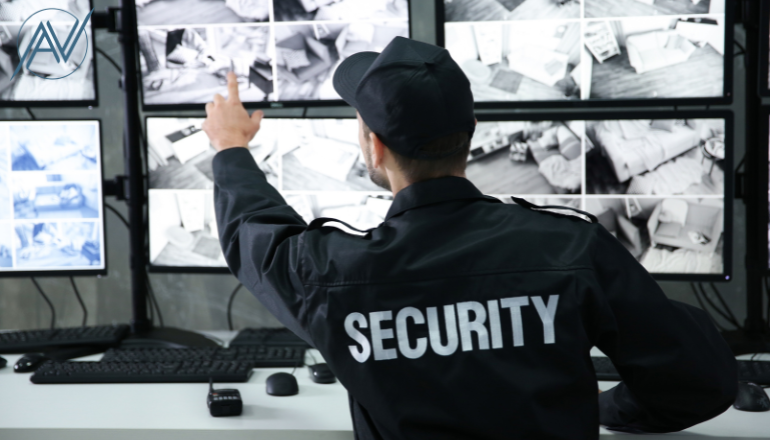
Surveillance cameras are indispensable for monitoring
high-traffic zones, such as entrances, emergency rooms, waiting areas, and
parking lots. These cameras deter criminal activities like theft and vandalism
while providing visual evidence in case of incidents.
2. Ensuring Patient and Staff Safety
Surveillance systems create a safer environment for both
patients and staff. For instance, cameras installed in hallways and common areas
help identify suspicious activities, enabling security teams to respond promptly
to potential threats. In sensitive areas, such as ICUs or neonatal wards,
surveillance ensures that only authorized personnel are present.
3. Remote Monitoring and Real-Time Access
Modern surveillance systems offer remote access, allowing
administrators to monitor multiple areas in real time from a central location or
even through mobile devices. This capability enhances operational oversight and
enables quick decision-making during emergencies.
Importance of Access Control in Healthcare Facilities
1. Restricting Access to Sensitive Areas
Access control systems play a pivotal role in preventing
unauthorized entry to critical areas such as operating rooms, pharmacies, and
data storage facilities. Advanced systems, such as biometric or card-based
access control, ensure that only authorized personnel can enter these zones.
2. Enhancing Compliance and Auditability:
Access control systems provide detailed logs of entry and
exit, making it easier for facilities to comply with regulations. These logs
also serve as valuable data during audits or investigations, helping
administrators identify gaps and improve security measures.
3. Streamlining Workflow:
Access control systems not only enhance security but also
streamline operations. For instance, healthcare workers can use key cards or
biometric credentials to access multiple areas without the need for physical
keys, saving time and improving efficiency.
Integration of Surveillance and Access Control
When surveillance systems and access control are integrated,
they provide a comprehensive security solution. For example, access control logs
can be cross-referenced with surveillance footage to verify events, identify
unauthorized access attempts, or resolve disputes quickly. This integration
ensures that all aspects of security work seamlessly together, enhancing both
safety and operational efficiency.
Conclusion
Advanced surveillance and access control systems are indispensable for healthcare facilities. They not only protect patients, staff, and assets but also ensure compliance with regulations and improve operational efficiency. At AV Secure, we specialize in providing tailored security solutions for the healthcare sector, combining cutting-edge technology with expert service to meet the unique challenges of this industry. With our solutions, healthcare facilities can achieve a safer, more efficient, and compliant environment.