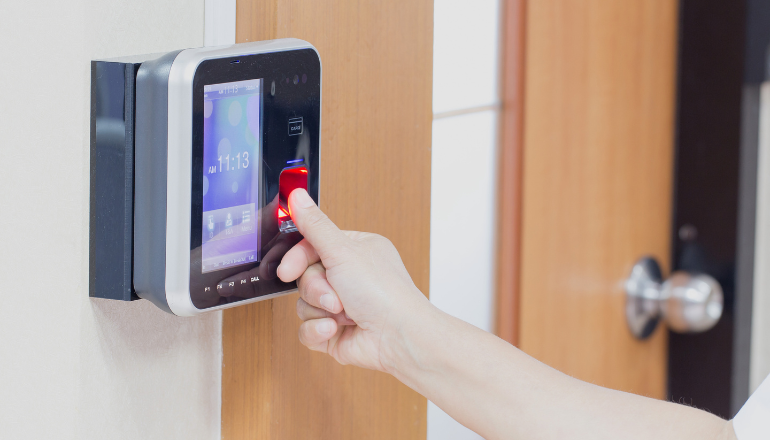
In today’s fast-paced world, ensuring the safety of people and assets in offices, residential complexes, and housing societies has become a top priority. Traditional lock-and-key systems are now being replaced by modern access control systems that provide an advanced layer of security while being more convenient and efficient. Let’s explore how access control systems enhance security and why they are a smart investment for your property.
What Are Access Control Systems?
An access control system is a security solution that restricts and manages entry to specific areas of a property. Instead of relying on physical keys, access control systems use advanced technology like RFID cards, biometric scanners, PIN codes, or facial recognition to authorize access. This technology ensures that only authorized personnel can enter designated areas, keeping unwanted visitors out.
How Do Access Control Systems Improve Security?
1. Eliminating Unauthorized Access
One of the primary benefits of access control systems is their ability to prevent unauthorized entry. In offices and societies, restricting access to employees, residents, or registered visitors ensures a safer environment. For instance, access to server rooms, meeting rooms, or gated entrances can be limited to selected personnel only.
2. Real-Time Monitoring and Control
Modern access control systems come with real-time monitoring capabilities. Property managers or administrators can track who enters or exits a particular area and at what time. This is especially useful for identifying suspicious activity, improving accountability, and ensuring transparency.
3. Enhanced Convenience with Keyless Entry
Gone are the days of lost keys or expensive lock replacements. Access control systems offer keyless entry solutions such as cards, fobs, or biometric authentication. In housing societies, residents can enter using a swipe card or fingerprint scanner, providing a seamless and hassle-free experience.
4. Integration with CCTV and Security Alarms
Access control systems can be integrated with CCTV surveillance cameras and alarm systems, offering a comprehensive security solution. For instance, if unauthorized access is detected, an alarm can immediately alert security personnel, and the CCTV footage can help identify the intruder.
5. Customized Access Levels
In offices, access control systems allow administrators to define specific access levels for different individuals. For example, managers can access executive areas, while employees may only access their workspaces. Similarly, in societies, residents and visitors can be given varying levels of access to ensure smooth functioning.
Why Should Offices and Societies Invest in Access Control?
Improved Safety: By limiting access to authorized
personnel only, these systems significantly reduce the chances of theft,
vandalism, and unauthorized entry.
Data Security: Offices can protect sensitive information by restricting
access to server rooms or confidential areas.
Cost-Effective: Access control systems reduce the need for physical
security guards and manual locks, saving costs in the long run.
Scalability: These systems are highly scalable and can be customized to
meet the specific needs of small offices, large corporations, or residential
complexes.
Conclusion
Access control systems are no longer a luxury but a necessity in today’s security-conscious world. They provide unmatched protection for offices, housing societies, and gated communities by combining convenience, accountability, and advanced security. By investing in modern access control solutions, property owners can enjoy peace of mind, knowing their premises are well-guarded and secure.